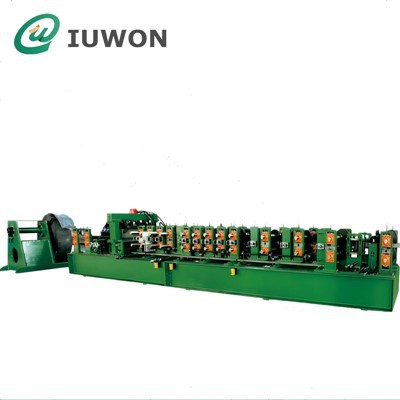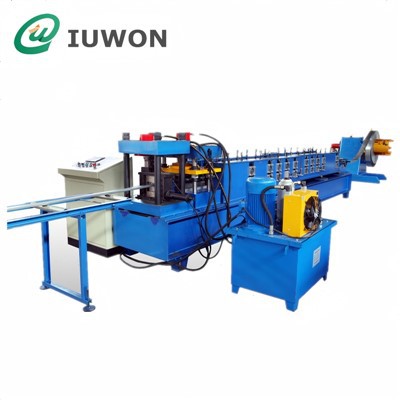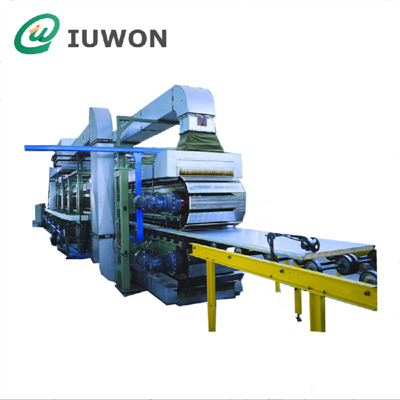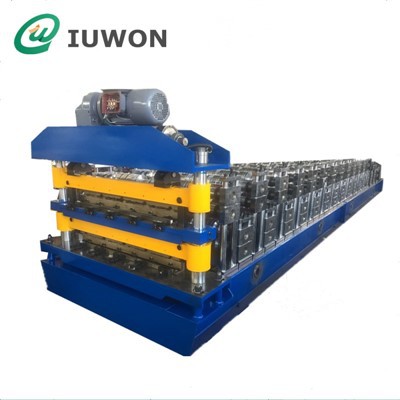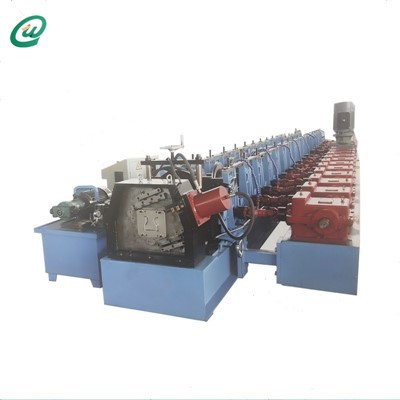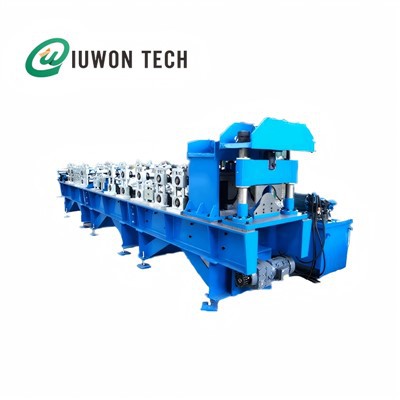
Generally speaking, roll forming is a high-speed method used to bend coiled metal into custom-designed profiles by passing the metal strip through a series of roller dies. This process produces metal profiles with a uniform cross-section along their entire length.
The process begins with a flat metal strip fed from a coil into-or through-a configuration of roller die stations. With each pass, the metal is progressively bent and formed until the final profile is achieved.
Advantages of Roll Forming
The advantages of roll forming include high speed, economies of scale, the elimination and consolidation of secondary operations (such as inline punching and slotting), the ability to form both simple and complex shapes, and the capacity to produce exceptionally long profiles that cannot be accommodated by a brake press.
1. Maintains tighter tolerances
2. Rapid changeover for varying lengths
3. Minimizes material handling
4. Saves floor space
5. Standard shapes (such as U-channels, angles, hat sections, and box channels) are often available with minimal or no tooling costs.