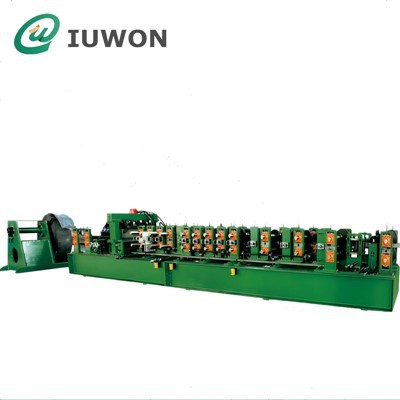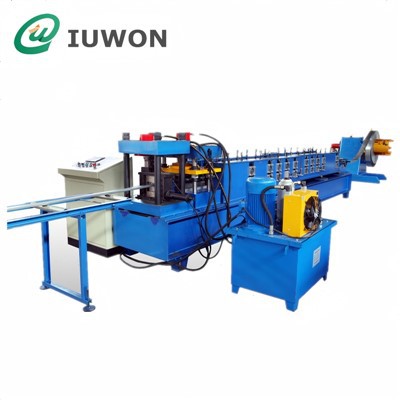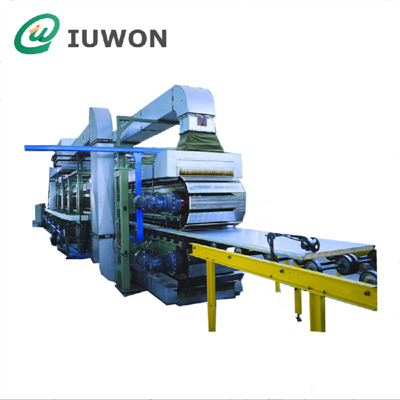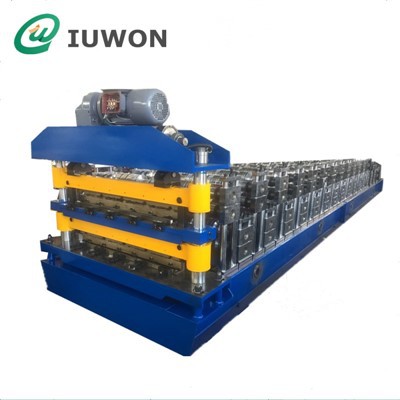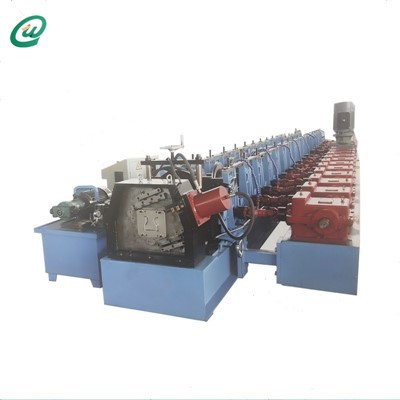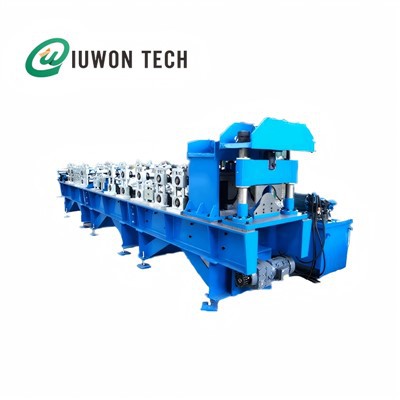
As a vital piece of industrial equipment, the profile roll forming machine plays a pivotal role in the field of metal processing. Utilizing a specific roll forming process, it shapes metal materials into desired profiles, characterized by both high efficiency and precision.
Working Principles of the Profile Roll Forming Machine
A profile roll forming machine primarily consists of rollers, a transmission system, and a pressure control system. During operation, metal material passes through the gap between the rollers; subjected to the combined forces of pressure and friction, the material undergoes plastic deformation. By adjusting the gap between the rollers and the applied pressure, the degree of deformation and the final shape of the metal material can be precisely controlled, ultimately yielding profile products that meet specific requirements.
Application Fields of the Profile Roll Forming Machine
Construction Industry: In the construction sector, profile roll forming machines are widely utilized to manufacture various metal components-such as beams, columns, and roof panels-for steel-structure buildings. These components offer numerous advantages, including high structural strength, lightweight properties, and ease of installation, thereby significantly enhancing both the construction efficiency and overall quality of building projects.
Transportation Industry: The manufacturing processes for various modes of transportation-including automobiles, trains, and ships-require the extensive use of metal components produced by profile roll forming machines. These components not only exhibit excellent mechanical properties but also satisfy critical requirements regarding lightweight design, energy conservation, and emission reduction, thereby making a significant contribution to the advancement of the transportation industry.
Electric Power Industry: Within the electric power sector, profile roll forming machines are employed to produce metal structural components such as transmission line towers and substation frameworks. As these structural elements are subjected to immense loads and the rigors of natural environmental conditions, they demand exceptionally high levels of strength and stability. Through precise control mechanisms and the utilization of high-quality metal materials, profile roll forming machines ensure the integrity and safety of these critical structural components.
In summary, the profile roll forming machine occupies a pivotal position within the metal processing industry, distinguished by its unique operating principles and extensive range of applications. As technology continues to advance and industrial sectors undergo rapid development, the performance capabilities and application scope of profile roll forming machines are poised to be further enhanced and expanded, providing robust support for the progress and growth of diverse industries.