Application Scenarios and Advantages
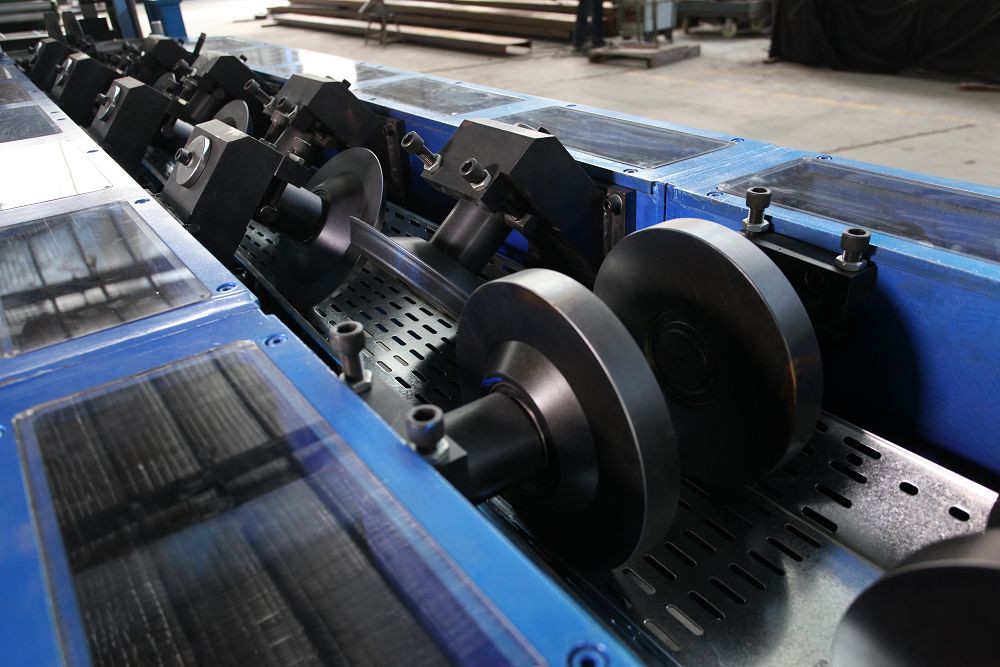
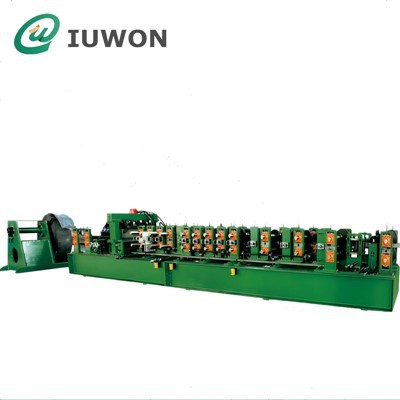
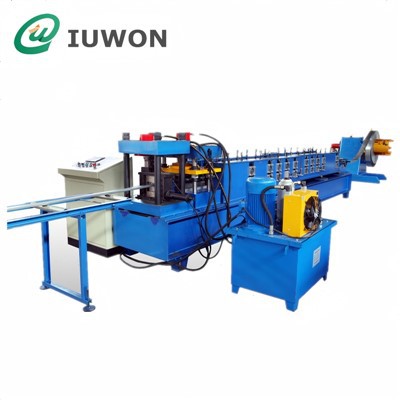
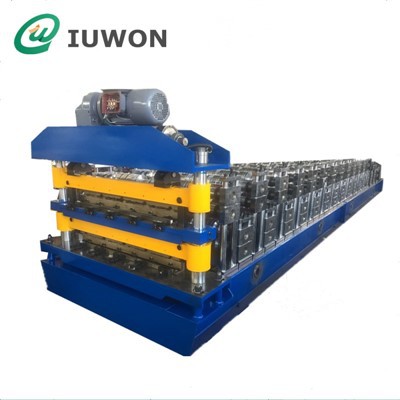
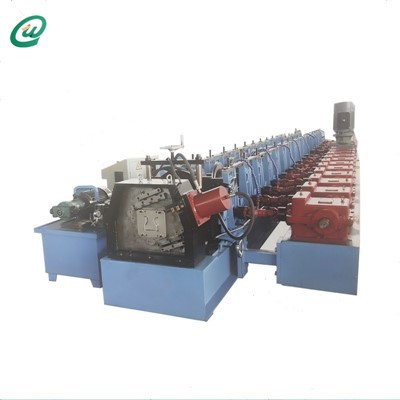
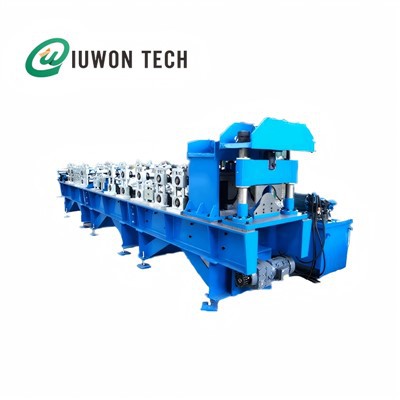
The guardrail roll forming machine is primarily utilized in the manufacturing and repair of road guardrails. Compared to traditional manual or semi-automated processes, this system offers advantages in three key areas: First, enhanced efficiency-automated production minimizes manual intervention, resulting in a significant increase in daily output. Second, precision control-the forming error in the roll-forming process can be controlled within a millimeter-level tolerance, thereby ensuring a precise fit during guardrail installation. Third, material versatility-by adjusting the spacing and pressure of the forming rollers, the equipment can accommodate metal sheets of varying thicknesses (e.g., 4mm) and materials, effectively meeting diverse production requirements. Furthermore, the structural design of the main frame and the material composition of the forming rollers are engineered to further enhance the equipment's durability during high-intensity operations.
Key Points for Operation and Maintenance
During operation, it is essential to ensure that the equipment is properly grounded and that the voltage remains stable at 380V. Regular inspections of chain tension and roller wear are required to prevent transmission slack or component wear from compromising forming precision. The lubrication system requires periodic replenishment with specialized grease to minimize mechanical friction, while the hydraulic system must maintain proper oil levels to prevent pump station overload. Additionally, the equipment supports customization; parameters such as the number of forming passes and vertical plate thickness can be adjusted to suit specific production needs. However, such parameter calibration must be performed by qualified professionals to ensure both safety and operational efficiency.