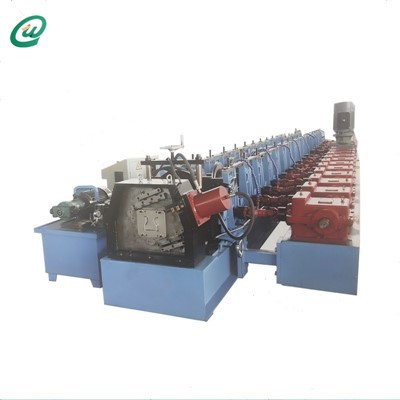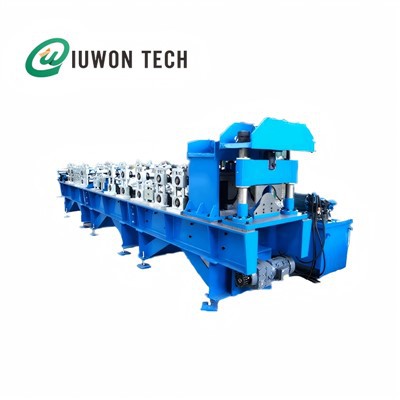
Metalworking:
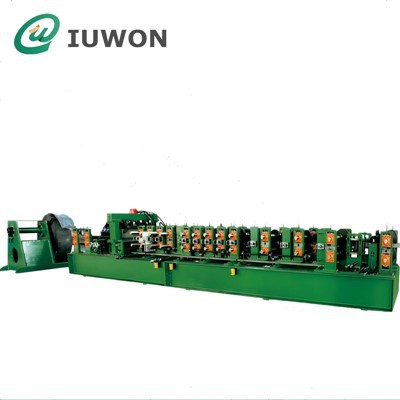
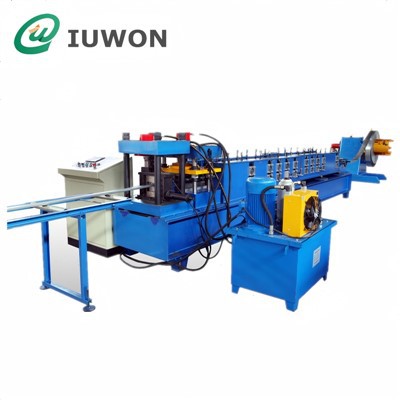
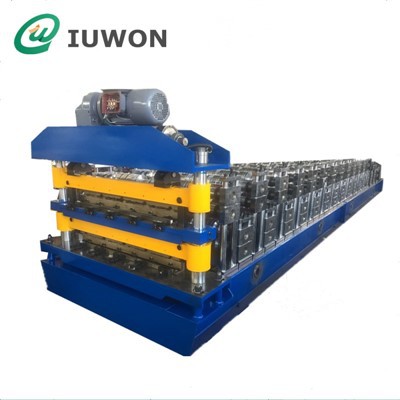
Used to produce various metal profiles-such as angle steel, channel steel, I-beams, Z-profiles, and C-profiles-which are extensively utilized in fields such as structural engineering, bridge construction, and machinery manufacturing.
Used for processing automotive components-including body frames, door frames, and chassis parts-enhancing their strength and precision while enabling mass production.
Used for manufacturing metal piping, employing a roll-forming process to shape metal sheets into pipes of various specifications, such as spiral-welded pipes and straight-seam welded pipes.
Non-metal Material Processing:
Roll-forming of plastic sheets enables the production of plastic profiles, tubing, and similar products, finding applications in architectural decoration, chemical piping systems, and other sectors.
Processing of rubber materials to manufacture rubber profiles, seals, and other related products.
Other Fields: In sectors such as aerospace and the electronics industry, roll-forming machines are also utilized to process specialized materials and components. Features and Advantages:
High Production Efficiency: Enables continuous, automated production, allowing for the rapid, mass-scale processing of formed products and significantly boosting overall production efficiency.
High Product Precision: Through the precise control of roller parameters and the forming process, the dimensional accuracy and surface quality of the finished products are effectively guaranteed.
High Material Utilization: During the roll-forming process, material deformation is primarily plastic deformation; this results in virtually no material waste, thereby maximizing material utilization.
Strong Adaptability: Capable of processing a wide variety of materials and products with diverse cross-sectional shapes, requiring only the replacement of the appropriate rollers and the adjustment of process parameters.
Lower Costs: Due to high production efficiency, high material utilization, and relatively low equipment maintenance requirements, the overall production costs are effectively reduced.